Folder · 5 pages
Oil and Propane Safety at Home
Oil and propane safety comes down to one habit: when gas, smoke or a CO alarm is involved, people leave the house first and call from outside, and the equipment waits for the professionals.
Written by the Fill Pipe desk from state, federal and maker documents · how the pages are made · Updated
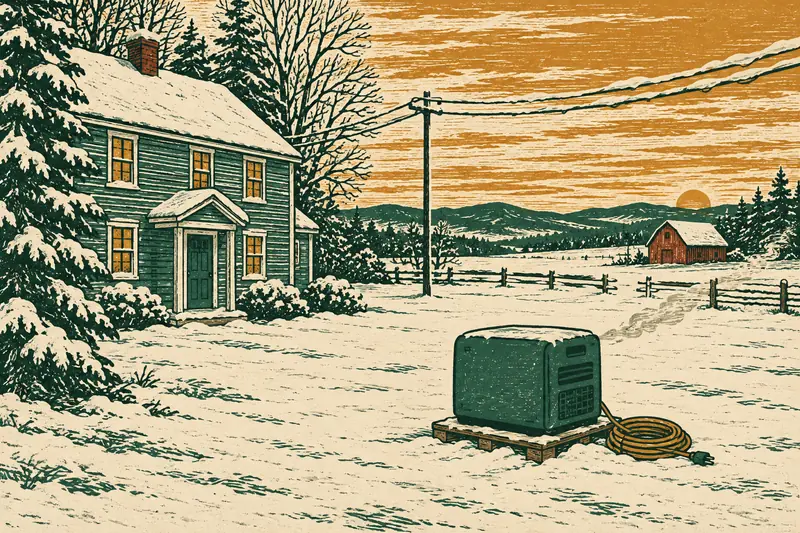
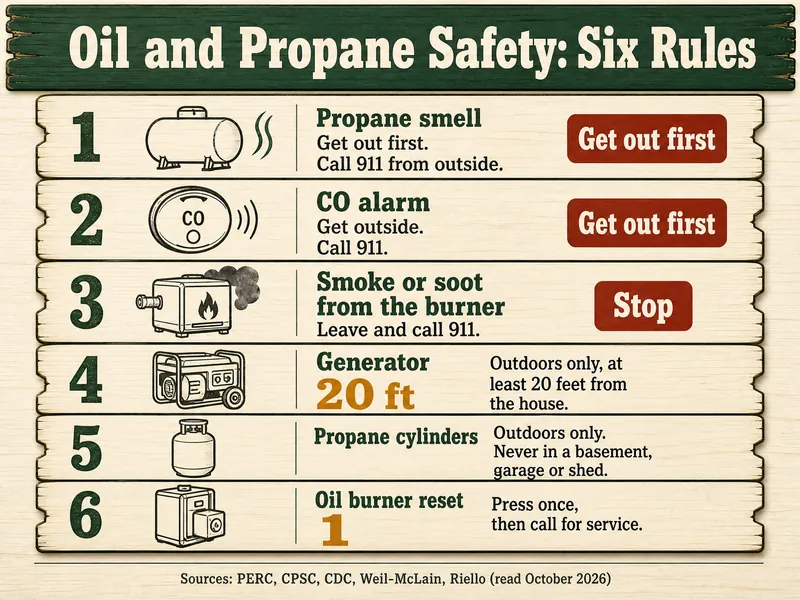
Get out first when
- The house smells of propane, or a propane alarm sounds: everyone out, no switches, phones or flames inside, then 911 and your supplier from well away.
- A CO alarm sounds or people feel headachy, dizzy, sick or confused: outside to fresh air, then 911.
- The oil burner puffs smoke or soot, or smoke fills the room: leave and call 911.
- Nobody goes back in until responders or the supplier say so.
- If you're unsure, stop and call your supplier or a licensed technician.
First tap of the season
- PERC, the propane industry's safety council, tells people who smell gas to "GET AWAY IMMEDIATELY" and to call only once safely away (PERC booklet, 2025).
- CPSC says anyone who suspects CO poisoning should get outside to fresh air immediately, then call 911.
- Generators belong outdoors, at least 20 feet from windows, doors and vents, according to the CDC.
- Weil-McLain and Riello owner instructions allow one press of an oil burner's reset button, then a service call.
- PERC says propane cylinders never go in a basement, garage, shed or tent.
- NYS Clean Heat says furnaces and boilers need electricity, so they stop in an outage.
Which oil and propane safety signs mean get out?
Gas smell, a CO alarm or CO symptoms, and smoke from the burner all mean leave first. PERC's booklet and NFPA's 2026 safety messages both put leaving the building ahead of any call, and CPSC says not to hunt for the source of CO. Oil and propane safety problems that don't involve smell, smoke or alarms, such as a burner that quits or a drip under the tank, are phone calls to your dealer, not evacuations.
The minutes indoors are the dangerous part, so call 911 from the yard, the road or a neighbor's.
What does a propane smell mean?
Treat it as a leak. PERC says a bad odor you can't place "may be a gas leak," and that your nose can miss one through odor fatigue, masking smells or odor loss. Leave without touching switches or phones, don't go to the tank, and call 911, then your supplier, from well away. The propane smell in the house page walks through each step and where propane alarms go.
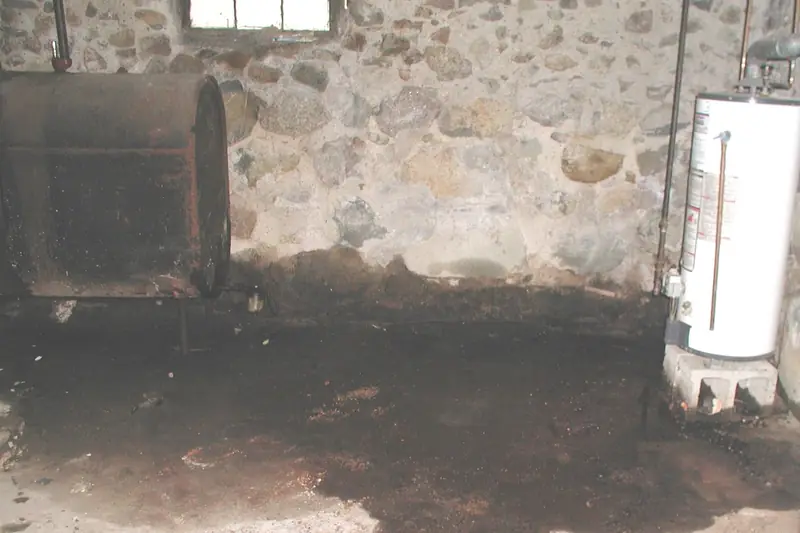
An oil smell is usually less urgent but still a call. Burner maker Beckett says unusual odors or staining around the heating appliance warrant a technician right away, and smoke or soot means leaving. The oil smell in the house page covers spills, Vermont and New York reporting rules, and what to look at without touching.
How do you protect against carbon monoxide?
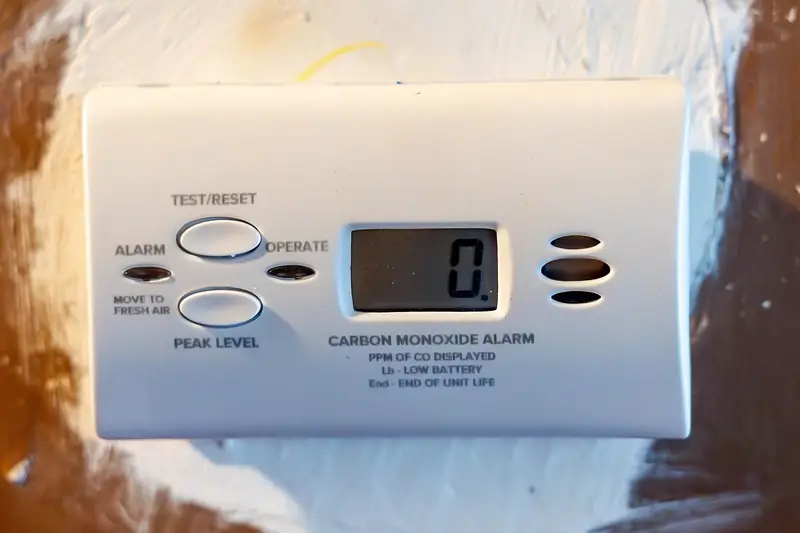
Put an alarm on each floor, basement included, and one outside every sleeping area, then have the heating serviced yearly. That's CPSC's placement rule; NFPA also recommends an alarm in each bedroom. The CDC, CPSC and NFPA all call for annual inspection of fuel-burning heating equipment, and PERC warns that snow and ice over vents can push CO into the house.
Alarms wear out. Swap one out by the date printed on it, or sooner if it starts its end-of-life signal; many last 7–10 years, and with no date to go on, the CDC says every 5 years. The carbon monoxide page has the symptoms list and a placement table from four sources.
What happens to oil and propane heat in an outage?
It stops. Furnaces and boilers burn oil or propane but need electricity to start and to move heat, so a full tank won't keep the house warm. A generator helps only if it's outdoors at least 20 feet from the house and wired through a transfer switch installed by a licensed electrician, per the CDC and Eversource.
Never heat with an oven, range, grill or camp stove. When power returns, an oil burner may need its one reset press, and a propane system that ran out needs a supplier's leak check first. The power outage heat page also lists each state's fuel assistance program.
How should fuel be stored?
Propane cylinders outdoors only, the oil tank kept clear of falling snow and ice, and nothing that burns near the boiler. PERC's booklet rules out basements, garages, sheds and tents for cylinders, and NFPA asks for 3 feet of clear space around a furnace and no gasoline indoors at all. Vermont's tank checklist asks owners to watch for snow or ice landing on the tank or filter and for a blocked vent.
The big tanks are the supplier's job; storing fuel safely also compares kerosene with No. 2 oil.
Who does the work on tanks and burners?
A licensed or certified professional, and the rules differ by state. Maine law requires a Fuel Board license to install or service oil and propane equipment (owner-occupied single-family homes have a narrow exception, and that work must still meet the Board's rules); hire a licensed technician. Vermont requires state certification for anyone servicing propane systems and an oil tank inspection at least every four years.
Homeowners can do the no-tool checks: thermostat, boiler switch, breaker, tank gauge. The oil burner reset button and ran out of propane pages show where the homeowner's part ends.
| Situation | First move | Who to call |
|---|---|---|
| Propane smell or propane alarm | Everyone out, no sparks | 911, then the propane supplier |
| CO alarm or CO symptoms | Everyone outside | 911 |
| Smoke or soot from the oil burner | Leave | 911, then the oil company |
| Oil smell or drip, no smoke | Look, don't touch | Oil company's service line |
| Power outage | Generator outdoors, 20+ ft away | Utility; fuel help through your state |
| Propane run-out | Leave the gas off | Propane supplier for a leak check |
Board feet: the numbers
- 20 ftgenerator distance from windows, doors and ventsCDC
- 92CO deaths tied to generators in 2020CPSC
- 1reset press allowed before calling for oil burner serviceRiello
- 4 yearsVermont's longest interval between oil tank inspectionsVermont DEC
Safety and outages
 Safety and outages: What to do about a propane smell
 Safety and outages: Carbon monoxide and fuel-burning heat
 Safety and outages: Oil smell in the house
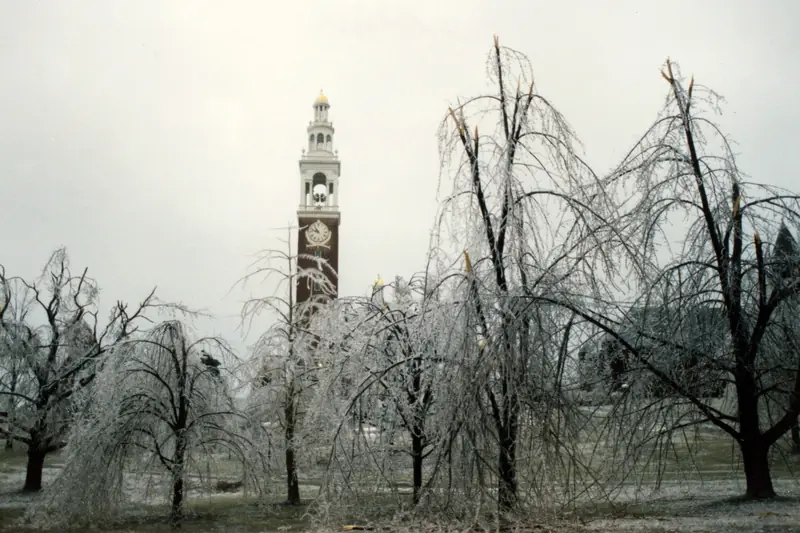 Safety and outages: Heat in a winter power outage
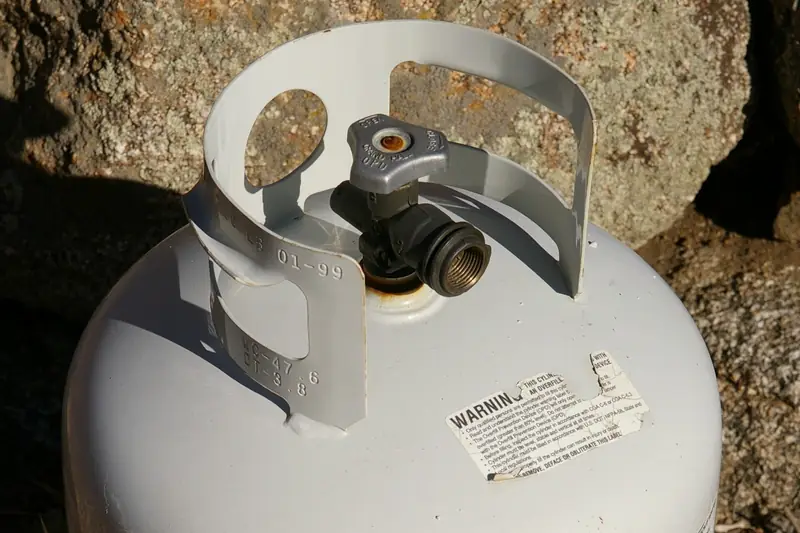 Safety and outages: Storing propane and heating oil safely
Scaler's notes: how this page was put together
This hub sums up the five safety pages, which rest on PERC (2025), NFPA (2026), CPSC, CDC, NYS Clean Heat, Eversource, Beckett, Riello and Weil-McLain manuals, Vermont's AST Rules and Maine's Fuel Board statute, read in October 2026. Left out: any step at a tank valve, relighting steps, tank clearance distances and phone numbers.
Questions from the woodshed
Should I call 911 or my propane company first?
Get out first, then call 911 from well away, then your propane supplier. PERC lists the retailer, 911 or the fire department; Fill Pipe puts 911 first so responders are already on their way.
Does a full oil tank keep the heat on in an outage?
No. NYS Clean Heat says furnaces and boilers need electricity to start and to circulate heat, so a full tank and no power still means a cold house. Plan for a generator used outdoors or a heat source that doesn't need power.
Do I need a propane alarm and a CO alarm?
In a propane home, both help. PERC says propane detectors are separate devices from CO detectors, though combination units exist, and each must be placed where its gas collects.
Can my oil delivery driver restart the burner?
In Maine, a driver who has completed a Fuel Board-approved course may bleed a residential burner and must refer it to a licensed technician if it still won't run. Outside Maine, ask your oil company who restarts burners after a run-out.
Where can I get help paying for fuel this winter?
Maine's HEAP runs through MaineHousing, New Hampshire's Fuel Assistance Program through the state Department of Energy, Vermont's Seasonal Fuel Assistance through DCF, and New York's HEAP through OTDA. The power outage page has the details.
What should I do if snow buries the propane regulator?
Brush it off gently with a broom, not a shovel, and keep the tank area and walkway clear so the driver can reach it. Never warm a tank or regulator with any heat source. If ice has damaged the regulator or piping, or you smell gas, get everyone out and call 911 and your supplier from outside.