Heat Pump With Oil or Propane Backup
A heat pump with backup heat lets the heat pump carry most of the winter while an oil or propane boiler or furnace stands by, but whether you may keep that backup depends on your state's rebate program.
Written by the Fill Pipe desk from state, federal and maker documents · how the pages are made · Updated
Who’s behind the links: Fill Pipe is run by the people who own Plumbing Supply and More, SoftPro Water Systems and Quality Water Treatment, and it has a working tie to Central Plumbing & HVAC. No business pays to appear here. Figures and safety steps on this page come from state energy offices and environmental agencies, federal agencies (EIA, IRS, CPSC, CDC), the propane and heating-oil industries' own safety programs, and equipment makers' manuals, read in October 2026. Fill Pipe sells no fuel and services no equipment. Owners and outbound links
First tap of the season
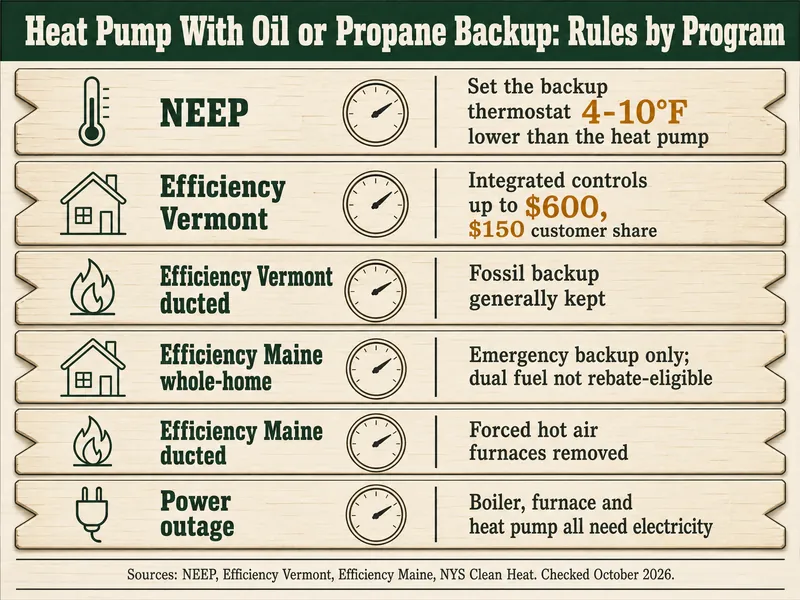
- NEEP's sizing sheet says that when the old system stays, its thermostat should sit roughly 4-10°F below the heat pump's setting so the heat pump does most of the work.
- Efficiency Vermont pays up to $600 for integrated controls installed with a new ductless heat pump in a single-family home with an oil, propane or natural gas central system; the customer pays at least $150.
- Efficiency Maine's whole-home rebates allow the furnace or boiler only for emergency backup, and say dual-fuel heat pump and furnace systems are not rebate-eligible.
- Efficiency Maine's ducted rebates for existing homes require that all forced hot air furnaces be removed; Efficiency Vermont's ducted page says the fossil system generally must stay.
- No primary source Fill Pipe found sets one switchover temperature; NEEP leaves controls to the design of each house.
- NYS Clean Heat notes that furnaces, boilers and heat pumps all need electricity, so backup heat is not outage heat.
Stop and call if
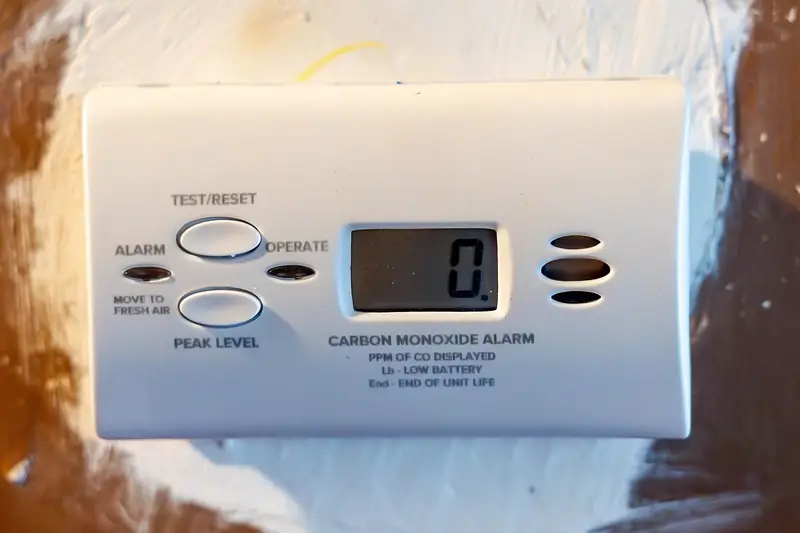
- The CO alarm goes off, or people in the house feel headachy, dizzy, nauseated or confused: get out to fresh air, call 911 from outside, and stay out until responders clear the house.
- You smell propane or gas: get everyone out, use no switches, phones, flames or the garage door inside, and call 911, then your propane supplier, once well away.
- Soot or smoke puffs from the oil burner: turn nothing on, leave if smoke fills the room and call 911; otherwise call your oil company's service line.
- If you're unsure, stop and call your supplier or a licensed technician.
Why keep oil or propane as backup?
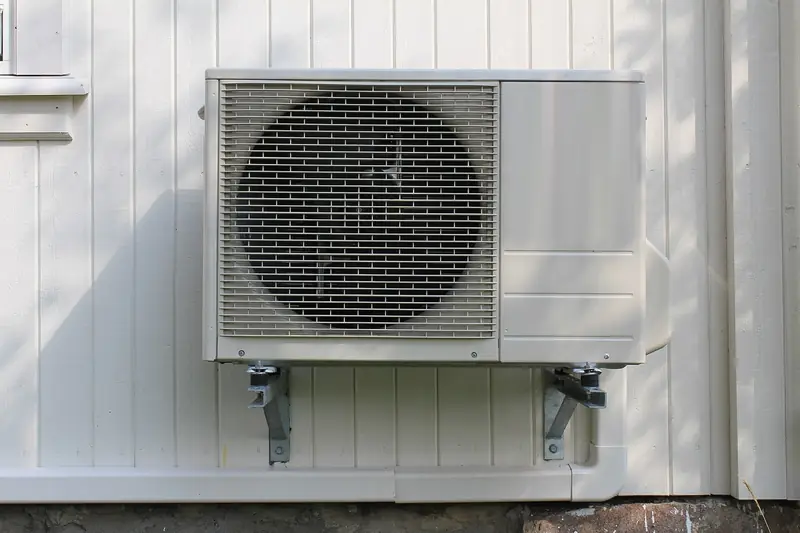
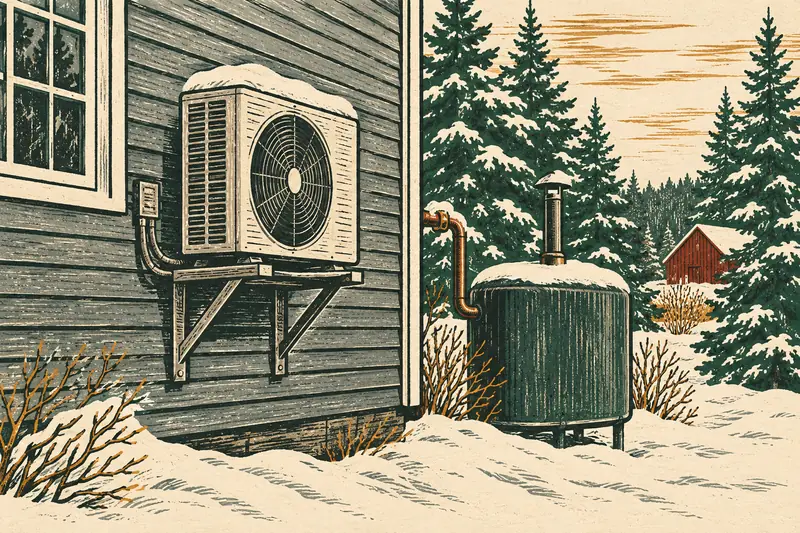
Households keep the boiler or furnace for the coldest nights, for rooms a heat pump doesn't reach, or because it is already there and paid for. NEEP calls this a displacement setup: the heat pump goes in to cut operating cost or emissions, and the existing equipment stays as a supplement.
NEEP's sizing and selection sheet warns that in that case conventional sizing approaches don't always apply, controls can be important, and load calculations should be conservative. The goal is a heat pump that runs most of the season with the fuel-burning system filling gaps, not two systems fighting over one house.
How do integrated controls work?
Integrated controls let one device decide which system heats the house. Efficiency Vermont's definition is specific: qualifying controls must send a setpoint to both the ductless heat pump and the central system, let you enter that setpoint in one place, choose the heat pump or the central system based on outdoor temperature, maintain heat pump performance, and connect to the internet.
Without them, the simpler approach is two thermostats. NEEP suggests setting the heat pump to your comfort level or a little higher and the central or backup thermostat about 4-10°F lower whenever possible. Efficiency Maine adds that the heat pump should be located where it won't conflict with the other system's thermostat.
A homeowner can swap a battery-powered, low-voltage thermostat by following its maker's wiring instructions. Integrated and dual-fuel controls are different: they tie two heating systems together and belong to the installer, and Efficiency Vermont says ducted installations should go to a licensed contractor familiar with HVAC controls.
Thermostats and controls at Plumbing Supply and More (Plumbing Supply and More, run by the same people as Fill Pipe) show the range of what an installer might specify; the installer picks what works with both systems.
When does the backup take over?
When the heat pump can no longer hold the setpoint, or when the controls switch over at an outdoor temperature the installer sets. Fill Pipe found no primary source giving one right switchover point, so treat any single number you hear as that installer's choice for that house, not a rule.
The outdoor temperature where a heat pump stops keeping up depends on the model and the load. A well-sized cold-climate unit may carry the house through most of a northern winter; read what makes a heat pump cold-climate for the 5°F ratings that tell you how much capacity is left in the cold.
Which programs require removing the old system?
Rules differ by state and program, so name the program before deciding. The table sums up what each one says as of October 2026, and the heat pump rebates page gives the dollar amounts.
| Program | Ductless or non-ducted | Ducted | Backup allowed? |
|---|---|---|---|
| Efficiency Maine whole-home | Heat pumps sized for at least 80% of peak load | Sized for at least 100%; forced hot air furnaces removed | Emergency backup only; dual fuel not rebate-eligible |
| Efficiency Vermont | Discount through distributors; integrated controls up to $600 | Fossil system generally must stay as backup | Yes, and controls are rebated |
| NHSaves (Eversource, Liberty, Unitil) | $250 per ton for oil or propane switchers | Same $250 per ton | Page does not require removal |
| NYSEG and RG&E (NYS Clean Heat) | Rebates for replacing a furnace, boiler or water heater | Same | Replacement is the program's basis |
Efficiency Maine spells out how to reserve the old system for emergencies: turn every thermostat off or all the way down, turn off and cover the power switch, or connect the system only to a generator, which means a transfer switch installed by a licensed electrician. Its primary heating systems can stay, but their capacity can't count toward the 100% sizing requirement.
In New York, NYSEG says incentives go to customers who replace an existing furnace, boiler or water heater with eligible heat pump equipment; ask your contractor how that applies before you plan to keep the old unit.
How do you keep the backup healthy?
Service it every year even if it barely runs. CPSC tells households to have the heating system professionally inspected and serviced annually, including the chimney and flue, and Weil-McLain says to have its oil boiler and burner serviced annually by a qualified technician. For propane appliances, PERC points to the maker's schedule, often a check before each heating season.
Keep fuel in the tank, too. A boiler that sits idle until the first cold snap still needs oil or propane in the tank, and a propane run-out means a qualified person must leak-check the system before the gas goes back on. An oil tank kept only for backup still ages: Maine DEP suggests planning a replacement after 20 years. See oil furnace and boiler service for what the yearly visit covers.
Watch the pipes. NEEP warns that once a heat pump satisfies the thermostat in very cold weather, pipes in a basement or far corner that the boiler used to keep warm may freeze. CPSC advises a CO alarm on each floor of the house, the basement included, plus one outside every sleeping area; NFPA also recommends one in each bedroom.
What about outages?
A backup boiler won't help when the power fails, because it needs electricity as much as the heat pump does. NYS Clean Heat says furnaces, boilers and most heating systems need power to start and to circulate heat, and suggests heat that doesn't, such as a wood stove, fireplace or certain pellet stoves, for anyone worried about outages.
If you use a generator, run it outdoors only, at least 20 feet from the house and away from windows, doors and vents, as CDC advises. Connect it to house wiring only through a transfer switch installed by a licensed electrician, never by backfeeding an outlet. Never heat with a gas oven, grill or camp stove. The power outage page covers the rest.
Backup heat by the numbers
- 4-10°FHow much lower NEEP suggests setting the backup thermostat than the heat pumpNEEP
- $600Most Efficiency Vermont pays toward integrated controls with a new ductless heat pumpEfficiency Vermont
- $150Customer contribution required on Efficiency Vermont integrated controlsEfficiency Vermont
- 80%Share of peak heating load Efficiency Maine's non-ducted heat pumps must be sized forEfficiency Maine
- 20 feetMinimum distance from a running generator to windows, doors and ventsCDC
Scaler's notes: how this page was put together
This page is based on NEEP's air-source heat pump sizing and selection sheet; Efficiency Vermont's integrated controls and centrally ducted heat pump pages; Efficiency Maine's residential, ducted and general heat pump pages; NHSaves' 2026 heat pump rebate page; NYSEG's NYS Clean Heat page; NYS Clean Heat on power outages; CDC's power outage advice; CPSC's carbon monoxide safety page; and Weil-McLain's and PERC's service guidance, all read in October 2026. Left out: a single switchover temperature, propane generator run times, and any claim that backup heat keeps running in an outage.
Questions from the woodshed
What temperature should my oil boiler take over from the heat pump?
There isn't one sourced answer. It depends on your heat pump's capacity at low temperatures and your house's heat loss, which is why integrated controls let the installer set it. With two thermostats, NEEP's rule of thumb is to keep the backup 4-10°F below the heat pump.
Can I keep my propane furnace and still get the Efficiency Maine rebate?
Only as emergency backup, with thermostats off or turned all the way down, the power switch off and covered, or the furnace wired only to a generator through a transfer switch installed by a licensed electrician. A dual-fuel heat pump and furnace system is not rebate-eligible, and ducted rebates for existing homes require removing forced hot air furnaces.
Do integrated controls work with an oil boiler?
Efficiency Vermont's offer requires the central heating system to be oil, propane or natural gas, so yes, in that program. The controls must also work with a new ductless heat pump in a single-family home.
Should the backup system still get a yearly tune-up?
Yes. CPSC and burner makers call for annual professional service of fuel-burning heat, and a boiler that runs only on the coldest days can still make carbon monoxide whenever it fires.
Why did my basement pipes freeze after adding a heat pump?
NEEP describes exactly that: when the heat pump satisfies a whole-house thermostat in very cold weather, the central system stops running and areas it used to warm, such as a basement, can get cold enough for pipes to freeze. Ask your installer about controls or a separate thermostat setting that keeps those spaces warm.
Does New Hampshire require removing the old system?
The NHSaves heat pump rebate page read for this article does not require it; oil and propane switchers qualify for $250 per ton, up to 5 tons. The New Hampshire Electric Co-op lists a separate whole-house incentive for heat pumps offsetting 80% of the total load.
Related pages