Carbon Monoxide and Fuel-Burning Heat
Carbon monoxide comes from any oil or propane flame that burns badly or vents poorly; put alarms on every level and outside each sleeping area, and if one sounds, get outside and call 911.
Written by the Fill Pipe desk from state, federal and maker documents · how the pages are made · Updated
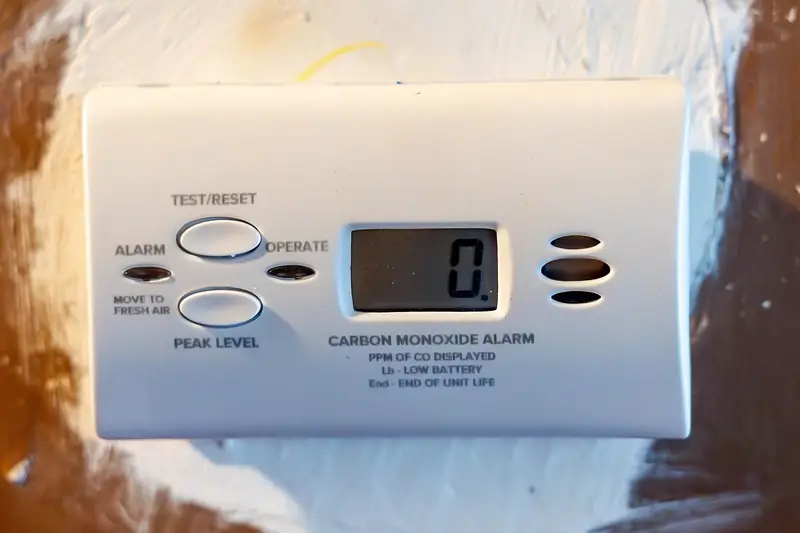
CO alarm or symptoms? Get out first
- If the CO alarm sounds, or anyone has a headache, dizziness, nausea or confusion, get everyone outside to fresh air now.
- Don't try to find the source, and don't stop to switch things off.
- Call 911 once you're outside.
- Don't go back in until responders tell you it's safe.
- Don't run the appliance again until a trained technician has serviced it.
- If you're unsure, stop and call your supplier or a licensed technician.
First tap of the season
- The CPSC calls carbon monoxide a colorless, odorless gas made by incomplete burning of fuels including oil, kerosene and propane.
- CPSC says to put CO alarms on every level of the home and outside sleeping areas; NFPA adds every room where someone sleeps and names the basement.
- In 2020, generators were tied to 92 CO deaths and portable heaters to 33, the two largest product groups in CPSC's count.
- The CDC lists headache, dizziness, weakness, upset stomach, vomiting, chest pain and confusion as the most common symptoms.
- CPSC, CDC and NFPA all say to have fuel-burning heating equipment serviced every year.
- UL and CSA have required CO alarms to give an end-of-life signal from 2009 on, Kidde says.
How do oil and propane heat make carbon monoxide?
Carbon monoxide is what a flame gives off when it doesn't get enough air or doesn't burn its fuel completely. CPSC's carbon monoxide page names oil, kerosene and propane among the fuels that produce it. You can't see it or smell it, which is why an alarm, not your nose, is the warning.
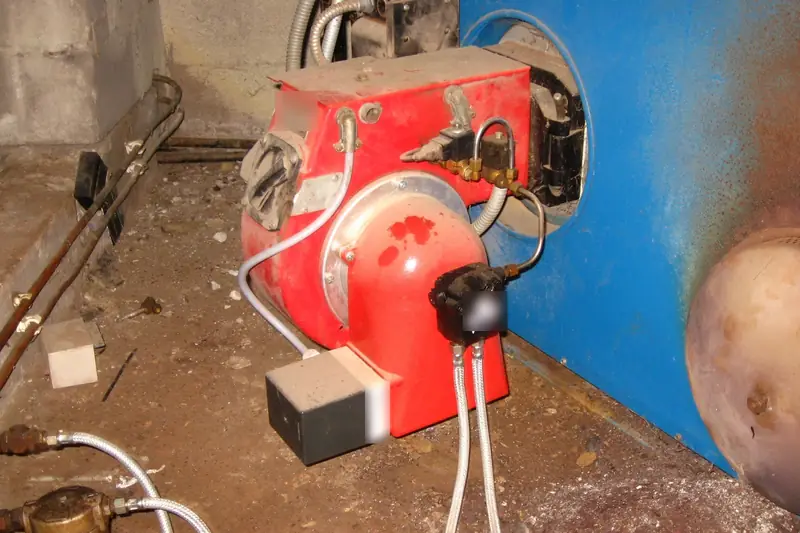
A healthy boiler or furnace sends its exhaust up the chimney or out a vent. Trouble starts when that path is blocked or broken. CPSC asks the annual inspector to check chimneys and flues for "blockages, corrosion, partial and complete disconnections, and loose connections." Snow over a sidewall vent, a bird's nest, or a cracked flue pipe can push exhaust back into the house.
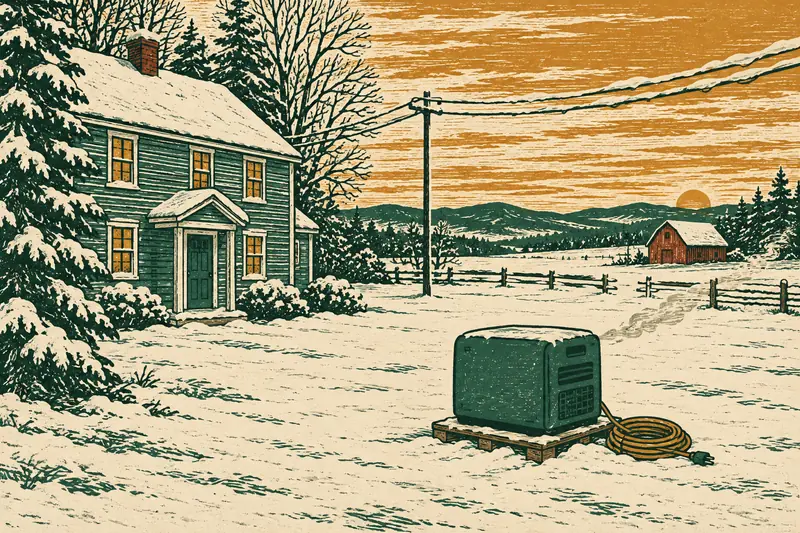
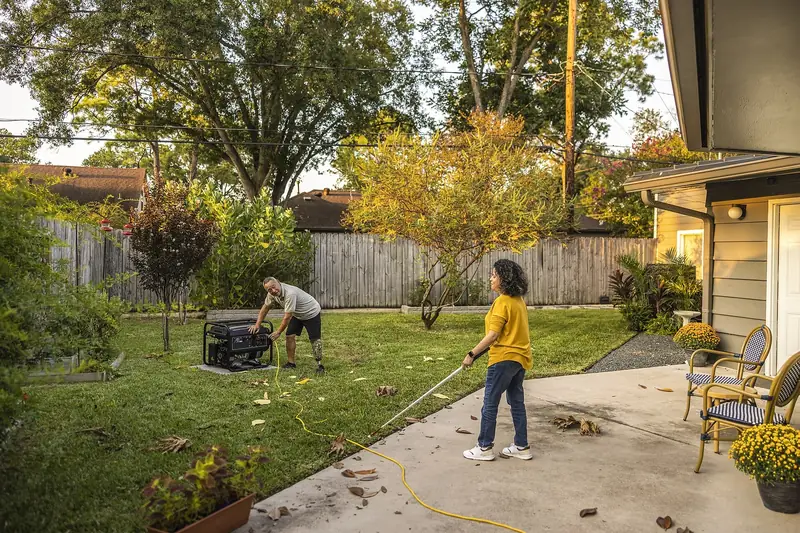
The other big sources in an outage are the ones people bring in. CPSC counted 92 CO deaths tied to generators in 2020 and 33 tied to portable heaters. The power outage heat page covers generators and what never to use for heat indoors.
Where should CO alarms go?
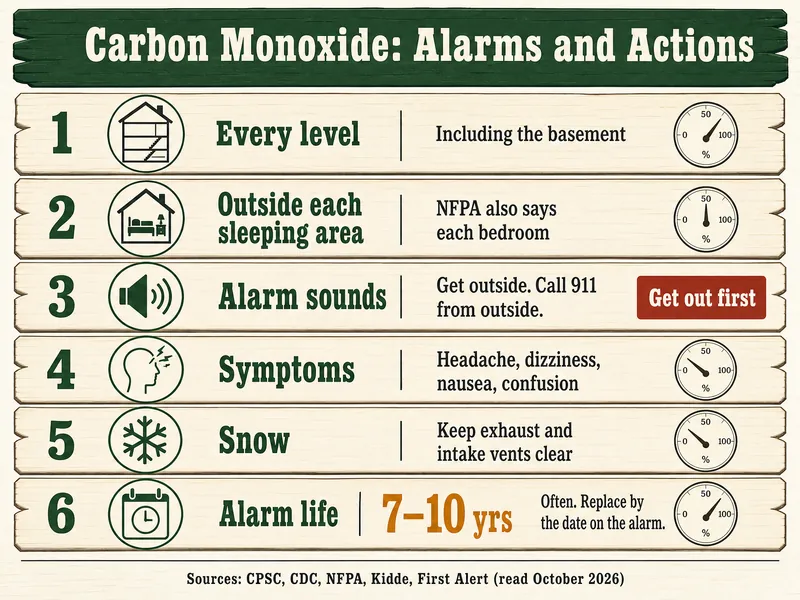
Put one on every level of the house, including the basement, and one outside each sleeping area. That's CPSC's rule, and NFPA goes further: it also recommends an alarm in every room where someone sleeps. CPSC says interconnected alarms are best, because when one sounds, they all sound, and it wants battery-operated alarms or ones with battery backup.
Placement details matter. CPSC advises against spots near heating vents or where furniture or drapes can cover the alarm, and it does not recommend kitchens or the space directly above fuel-burning appliances. So one alarm "by the boiler" is not the plan; the basement alarm goes on that level, away from the burner, and the rest go where people sleep. Follow the alarm maker's instructions for height and mounting, as NFPA says.
The burner industry agrees. Beckett, an oil burner maker, writes that every building using an oil burner should have smoke and carbon monoxide detectors. PERC's booklet asks propane households for a listed CO detector on each level.
| Source | Every level | Outside sleeping areas | Inside each bedroom | Placement notes |
|---|---|---|---|---|
| CPSC | Yes | Yes | Not stated | Not in kitchens or above fuel-burning appliances |
| NFPA | Yes, including the basement | Yes | Yes | Follow the maker's instructions |
| CDC | Not stated | Near every sleeping area | Not stated | Battery or battery backup |
| PERC | Yes, each level | Not stated | Not stated | UL-listed detector |
What should you do when a CO alarm sounds?
Get everyone outside to fresh air right away, then call 911. CPSC is specific: don't try to find the source of the CO, move outside immediately, and don't go back in until responders have given you permission. PERC's booklet says the same in three words, "LEAVE IMMEDIATELY", and to stay away until a responder or qualified professional says it's safe.
Don't stop to shut off the boiler or open the house up; the people matter, and the responders will deal with the equipment. If the fire department finds a faulty appliance, CPSC says not to use it until it has been properly serviced by trained personnel. For an oil system, that's your oil company's service line; for propane, your supplier or a licensed technician.
Your alarm's manual explains its sounds, including the end-of-life signal. If you can't tell a warning chirp from a CO alarm in the moment, treat it as an alarm and go outside.
What are the symptoms of carbon monoxide poisoning?
The early symptoms feel like the flu without a fever. CPSC lists headache, fatigue, shortness of breath, nausea and dizziness, and the CDC adds weakness, upset stomach, vomiting, chest pain and confusion. Several people in the house feeling sick at once, or feeling better after leaving, is a reason to suspect CO.
The CDC warns that people who are asleep, drunk or under the influence of other substances can die from CO before they notice symptoms. That's why alarms belong near bedrooms. CPSC's advice if you suspect poisoning, alarm or no alarm: get outside to fresh air immediately, then call 911.
How does snow cause CO problems?
Snow and ice can bury the vent your boiler or furnace breathes through and push exhaust back inside. The PERC booklet says snow and ice "can also block ventilation, causing high carbon monoxide levels in the home," and asks you to keep the area around appliance vents clear so appliances can take in fresh air and vent exhaust properly. NFPA's messages say the same for furnace and dryer vents.
After every storm, walk the outside of the house and clear snow off any exhaust or intake vent with a broom. PERC also says to keep heavy snow off propane regulators, piping and meters, using a broom rather than a shovel. If a vent is iced over or blocked in a way you can't clear, PERC says that's a job for a qualified professional.
Why does yearly service matter?
Annual service is how a dirty burner or a cracked flue gets caught before it makes CO. CPSC says to have the heating system professionally inspected and serviced every year, the CDC says the same for every gas, oil or coal burning appliance, and NFPA adds that technicians should use combustion analyzers on gas appliances. Oil burner makers write it into their manuals too. The furnace and boiler service page lists what a tune-up covers.
Unvented heaters are a separate worry. CPSC warns against running unvented fuel-burning appliances in any room where people sleep, and New Hampshire's state fire code bars an unvented space heater as a home's primary heat and requires a CO detector wherever one is used. Fill Pipe doesn't recommend them.
How long do CO alarms last?
Replace by the date on the alarm, or sooner if its end-of-life signal starts; that's often 7–10 years, and the CDC suggests every 5 years if you don't know. Sources differ because alarms differ. Kidde says all its CO alarms made from 2013 on have a 10-year life, with a few listed exceptions, and one First Alert manual says to replace that model 10 years after installation.
The end-of-life signal matters more than the calendar. Kidde notes that UL and CSA began requiring the signal in 2009, and that an alarm in end-of-life mode does not detect carbon monoxide. Write the install date on the back when you put one up, and test it as the maker's manual directs.
Board feet: the numbers
- 92CO deaths tied to generators in 2020CPSC
- 33CO deaths tied to portable heaters in 2020CPSC
- 2009year UL and CSA began requiring an end-of-life signalKidde
- 5 yearsCDC's replacement interval if you don't know the maker'sCDC
Scaler's notes: how this page was put together
This page is based on CPSC's carbon monoxide overview and CO information center, the CDC's carbon monoxide basics page, NFPA's Educational Messages Desk Reference (2026), PERC's booklet for propane users (2025), Beckett's oil burner overview, New Hampshire's Saf-C 6000 fire code rules, and Kidde and First Alert alarm documents, all read in October 2026. Left out: CO concentration numbers and alarm thresholds, brand recommendations, and any promise of one lifespan for every alarm, because the sources disagree.
Questions from the woodshed
Can I put the CO alarm right next to the oil boiler?
CPSC does not recommend installing CO alarms above fuel-burning appliances. Put the basement alarm on that level but away from the burner, and add alarms outside each sleeping area and on every other level.
Does a CO alarm also detect propane leaks?
A CO-only alarm doesn't. Propane gas detectors are separate devices, though PERC notes some combination units exist. The propane smell page covers where a propane alarm goes.
My CO alarm went off and then stopped. Is the house safe?
Not until responders say so. CO levels can rise and fall, and an alarm that quiets doesn't mean the source is fixed. Stay outside, call 911, and have the heating system serviced before it runs again.
Should a plug-in CO alarm have a battery?
CPSC and the CDC both call for battery-operated alarms or alarms with battery backup. A plug-in without one goes silent in a power outage, which is when generator and heater risks are highest.
Why does a CO alarm keep chirping?
Usually a low battery or the end-of-life signal. Kidde notes an alarm in end-of-life mode no longer detects CO, so replace it rather than silencing it. Check the alarm's manual for its chirp patterns.
Does an oil furnace make more carbon monoxide than propane?
No source Fill Pipe read ranks the two. CPSC lists both oil and propane as fuels that produce CO when burned incompletely, so either one needs working alarms and yearly service.
More on safety